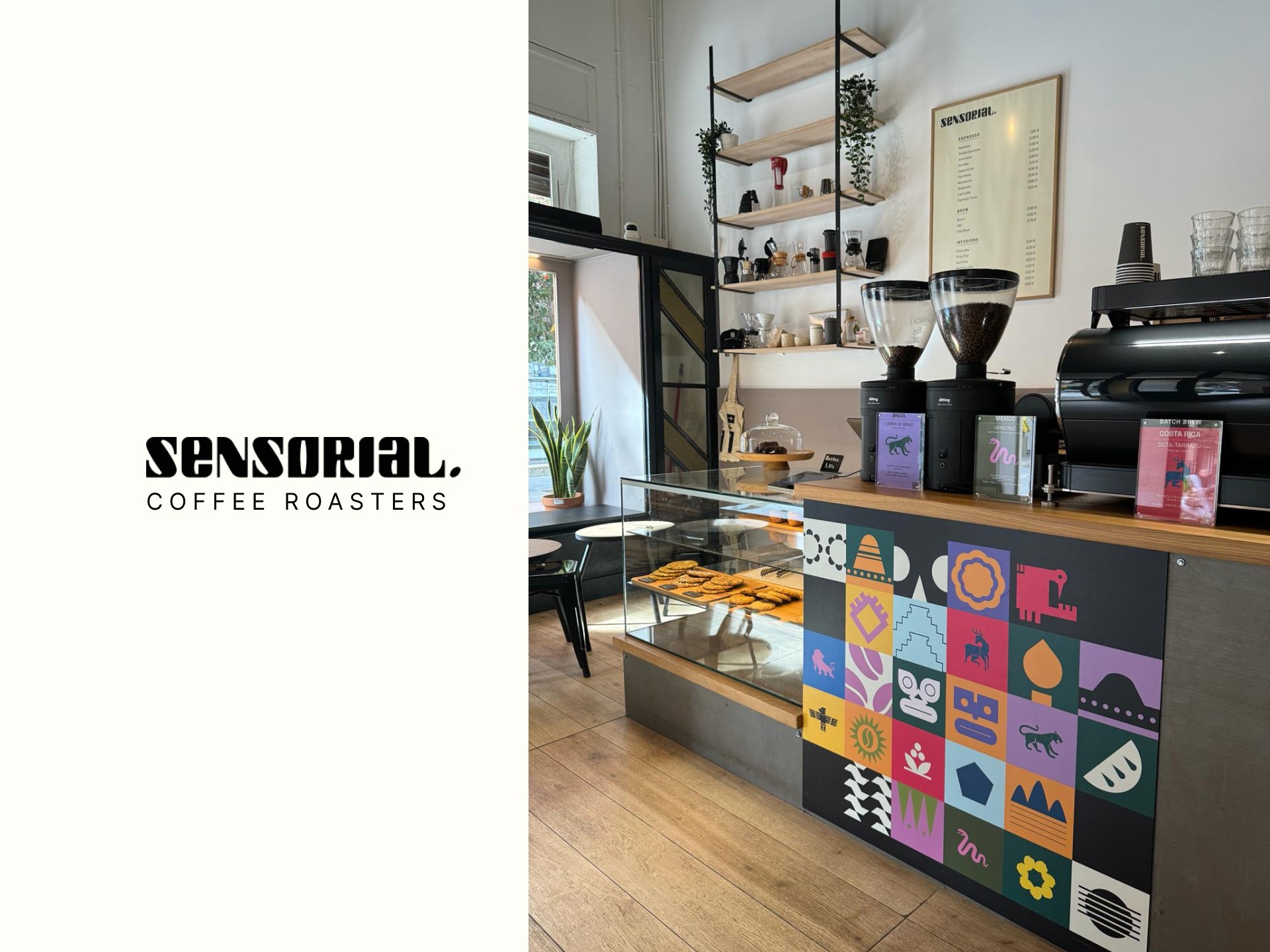
As part of a Branding & Strategy studio, our team was assigned Sensorial Coffee, a specialty café in Poblenou, Barcelona, Spain. The business prided itself on serving origin-to-cup coffee but struggled to communicate its unique value and lacked cohesive spatial and brand strategy. We explored how everyday sensory rituals—centered around coffee—could be designed more intentionally. Inspired by personal memories and sensory anthropology, it looked at how smell, sound, texture, and routine intertwine with comfort, identity, and community.
Role
Experience Strategist & Researcher — Stakeholder research, co-developed brand touchpoints, and synthesized strategy with two teammates as part of a master's project.
For
Masters Project - Branding & Strategy
Year
2025
Challenge
How might we help Sensorial Coffee to evolve from just another neighborhood café to 'sensory' coffee experiences that go beyond caffeine and invite presence, care, and belonging?
Approach
I began with introspective journaling and secondary research on cultural rituals around coffee—from South Indian filter coffee to Spanish cortados. We conducted two on-site research sessions and interviews with the founder, staff, and brand manager. We documented pain points in space planning, team roles, and communication channels.
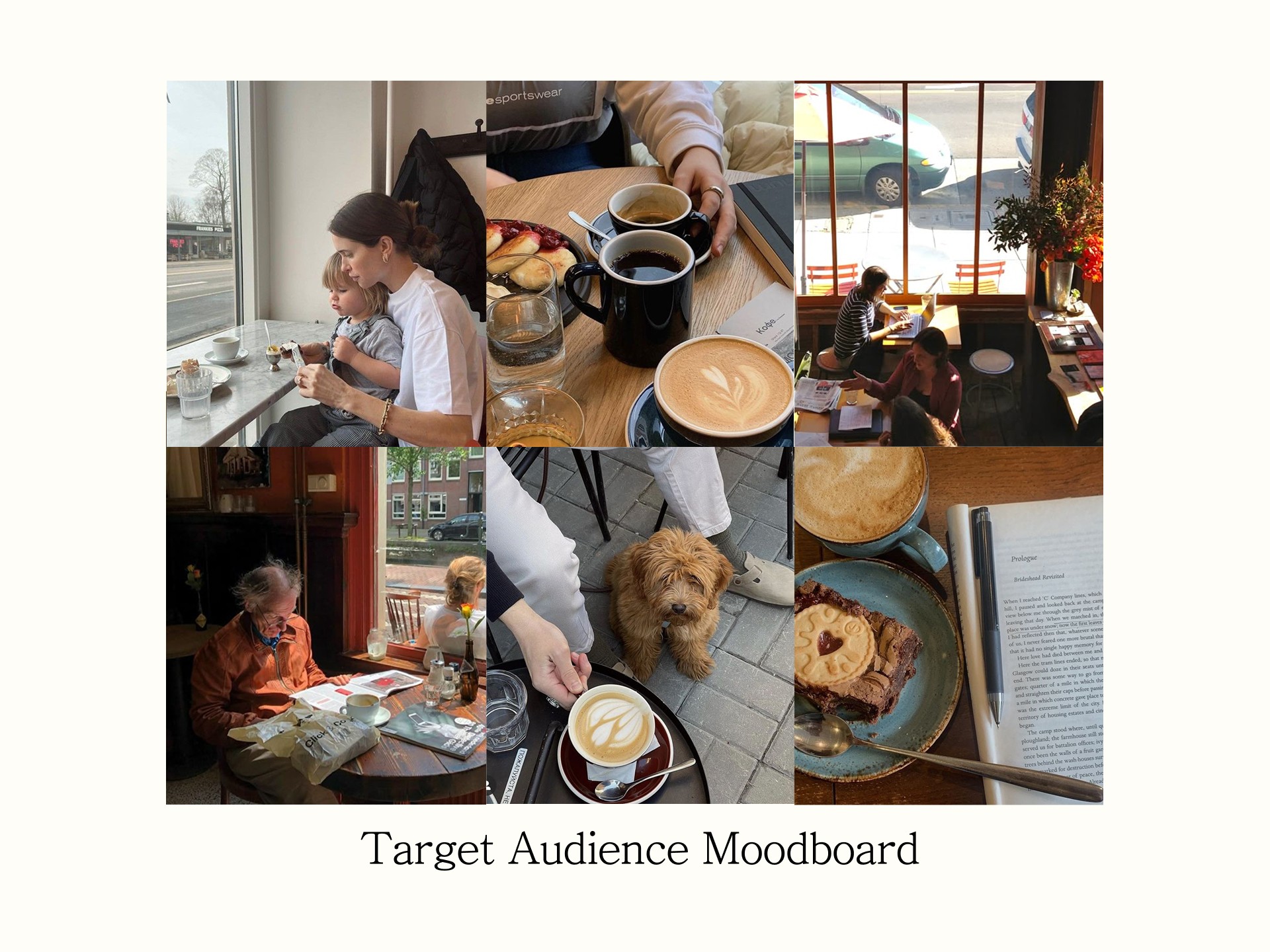
Then led 5 storytelling interviews about people’s most emotionally memorable cups of coffee. We also explored the emotional landscape of a regular Sensorial visitor through a lead persona: a solo creative looking for comfort, clarity, and quiet inspiration.
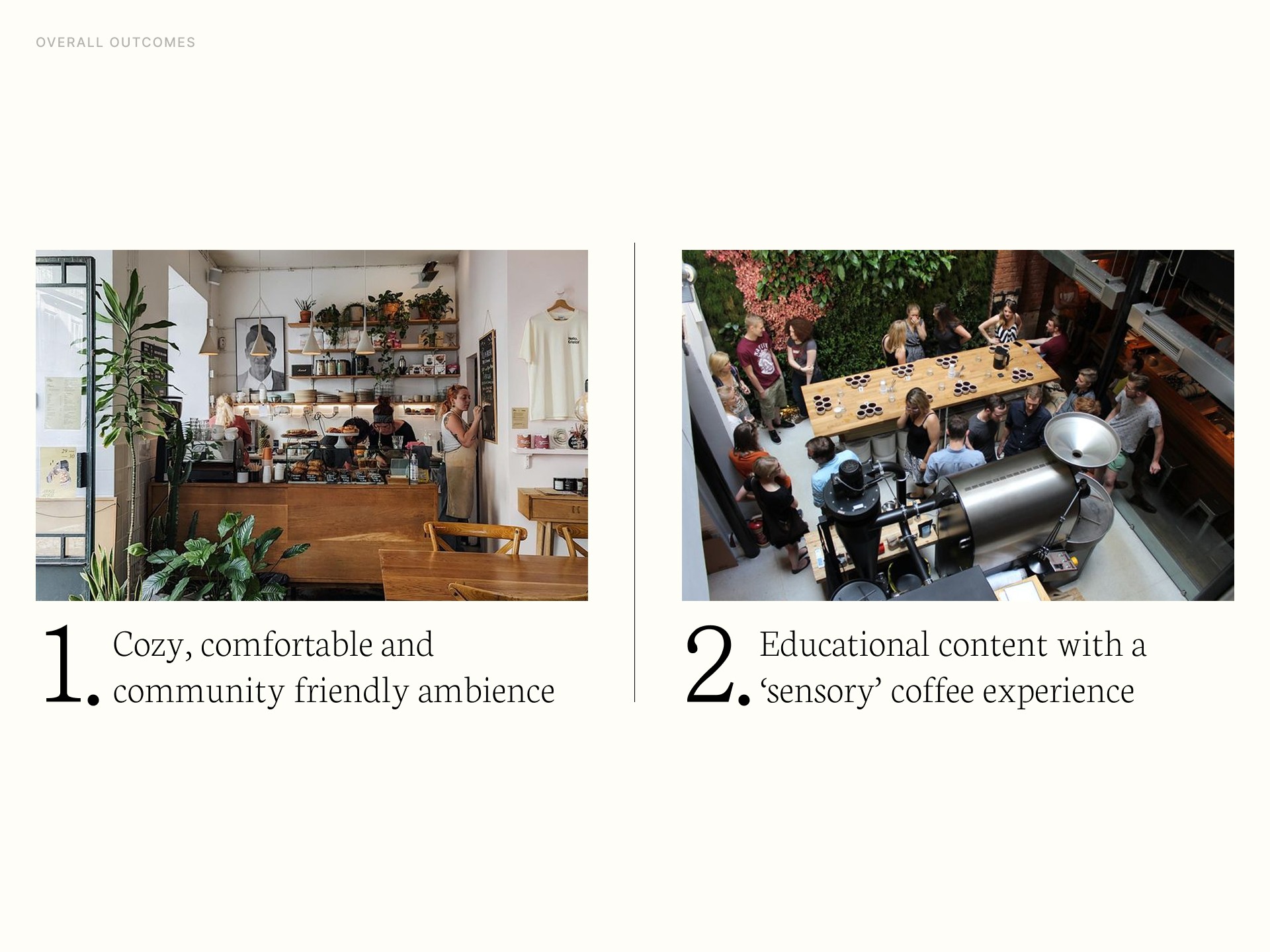
We benchmarked local competitors, revealing a saturated but soulless café scene—often minimal, monochrome, and impersonal. This informed our strategy to differentiate via warmth, community, and sensory storytelling.
Patterns emerged: soundscapes (grinders, spoons, birds), textures (ceramic vs. steel tumblers), and the comfort of repetition.
People craved the ritual more than the drink.
Process
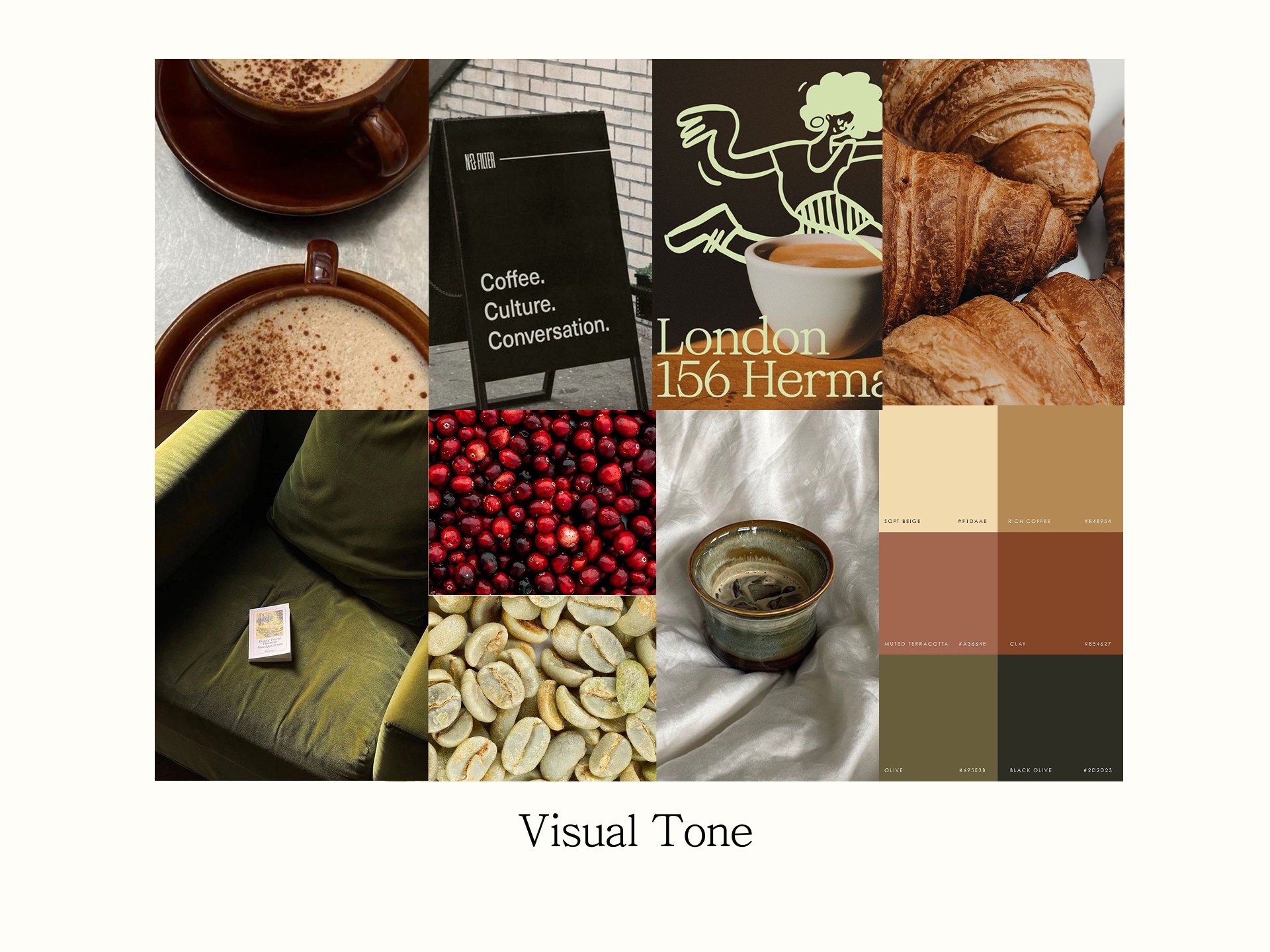
Brand Audit — Visual tone, spatial cues, menu, and customer behavior
Interviews & Immersion — Staff, founders, customers
Strategic Framing — Defined 4 core brand values and used them to generate interventions
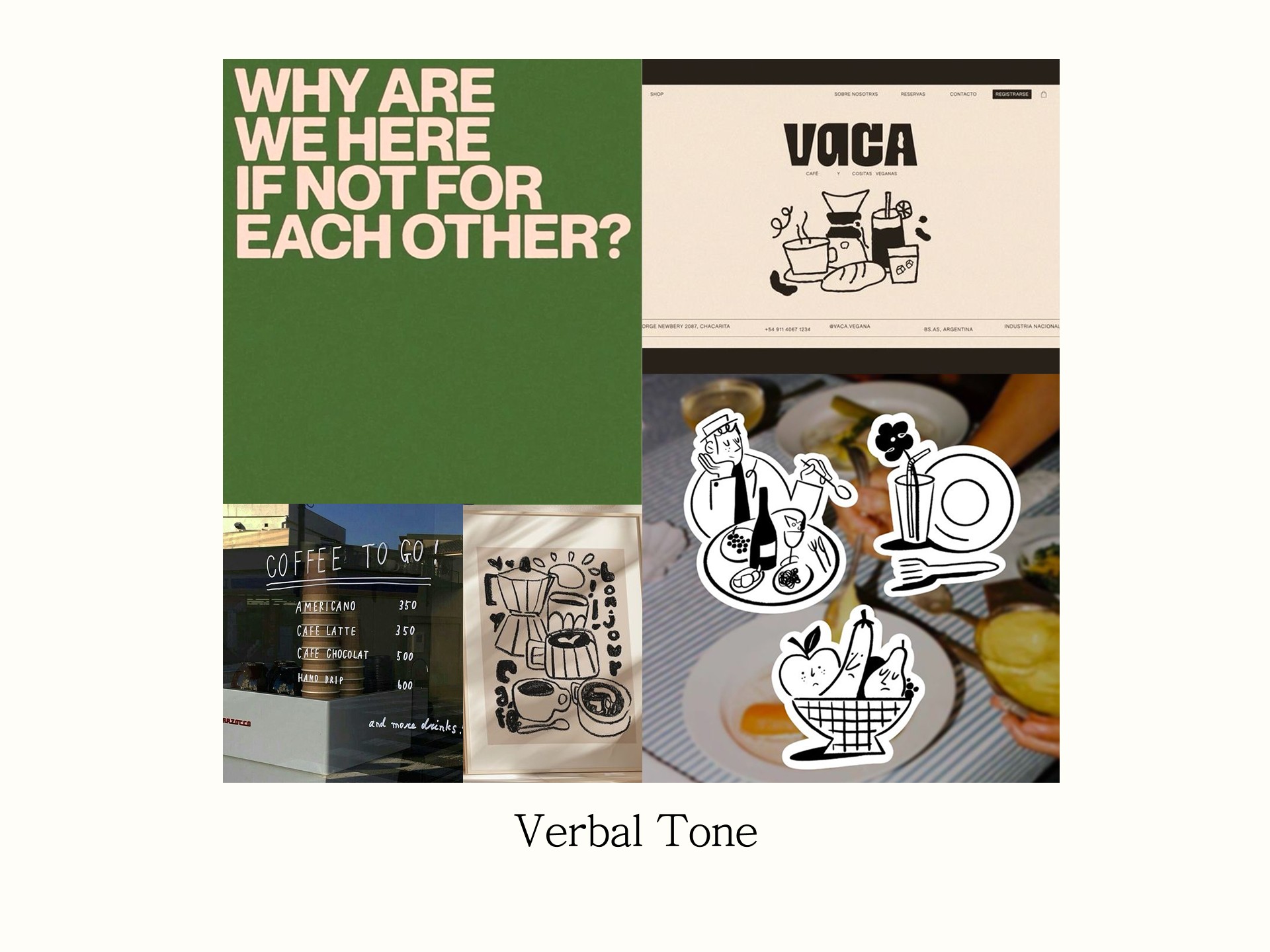
Moodboard & Interior Curation — Matched brand tone to sensorial cues (smell, sound, texture)
Opportunity Mapping — Across physical space, content strategy, and education touchpoints
Visual Strategy — Selected color schemes and naming systems aligned with “Sweet Treat” palette
Final Recommendations:
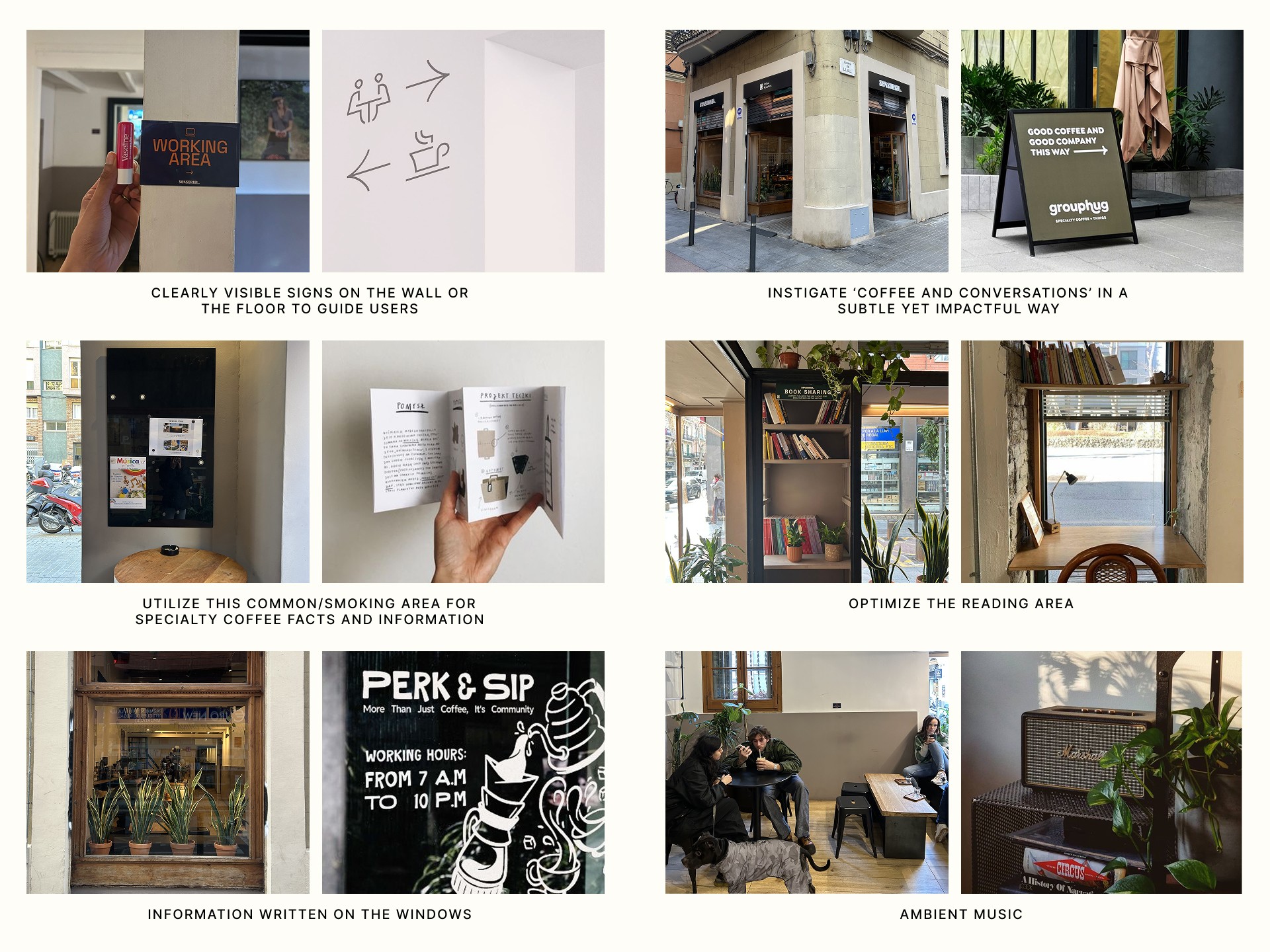
Interior design enhancements (including illustration prompts for glass walls)
Coffee education zone (roast stages, smell and taste experiences)
WhatsApp Business expansion and consistent social tone
Outcome
Final presentation delivered to the stakeholders, including founder and baristas
Stakeholders appreciated the contextual sensitivity and emotional clarity of our approach
Our space redesign suggestions were noted for potential implementation in the next renovation phase
Takeaways
This project taught me how to weave brand strategy across spatial, operational, and emotional layers. It sharpened my ability to connect mood, message, and materials—making brand feel lived, not just seen.
Future Scope
If Sensorial chooses to expand or franchise, this strategic foundation can help retain soul while scaling experience. Our team also suggested launching a mobile education station or sensory tasting bar to extend the brand story into pop-ups and events.
I’d love to prototype this in Bangalore as a sensory coffee ritual cart, testing if ritual design can promote mental well-being in public spaces. It could also expand into a brand experience toolkit for emerging cafés looking to connect emotionally with their audience.