As part of a transformation strategy module at BAU, we explored how the fictional publishing house Lund & Lagerstedt (from the Netflix series Love & Anarchy) could evolve meaningfully in a changing cultural landscape. Rather than a speculative redesign, the brief asked for an inside-out intervention rooted in emotional drivers and power dynamics across stakeholders. It served as a way to learn culture mapping through character observation, storyline analysis, and service design lenses.
Role
Service Designer — Led stakeholder mapping and narrative integration for podcast-led transformation within a fictional company context.
For
Masters Project - Transformational Design
Year
2025

Challenge
The company was losing its relevance, held back by internal silos, traditional hierarchies, and resistance to change. Yet there were also progressive voices hungry for modernity. Our challenge:
How might we transform Lund & Lagerstedt without threatening its identity and shifting it gently from within?
Approach
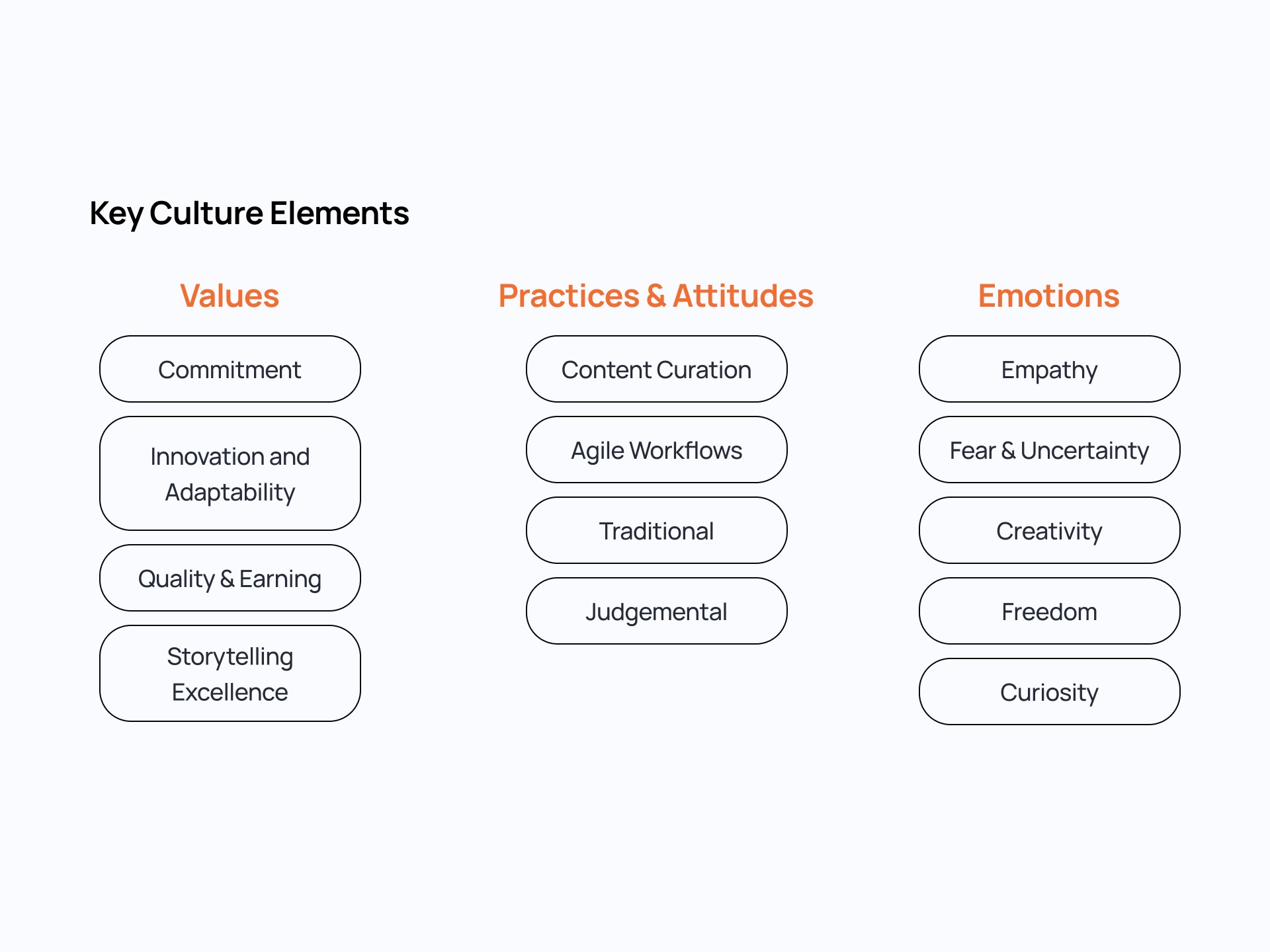
I binge-watched Season 1, identifying key characters, power structures, informal hierarchies, and value conflicts. Using the Culture Map method (Erik van der Steen). We began not with the “what” (a podcast), but with the “who.” Every proposed action was shaped around people — their goals, fears, and influence. We analyzed key stakeholders across four axes:
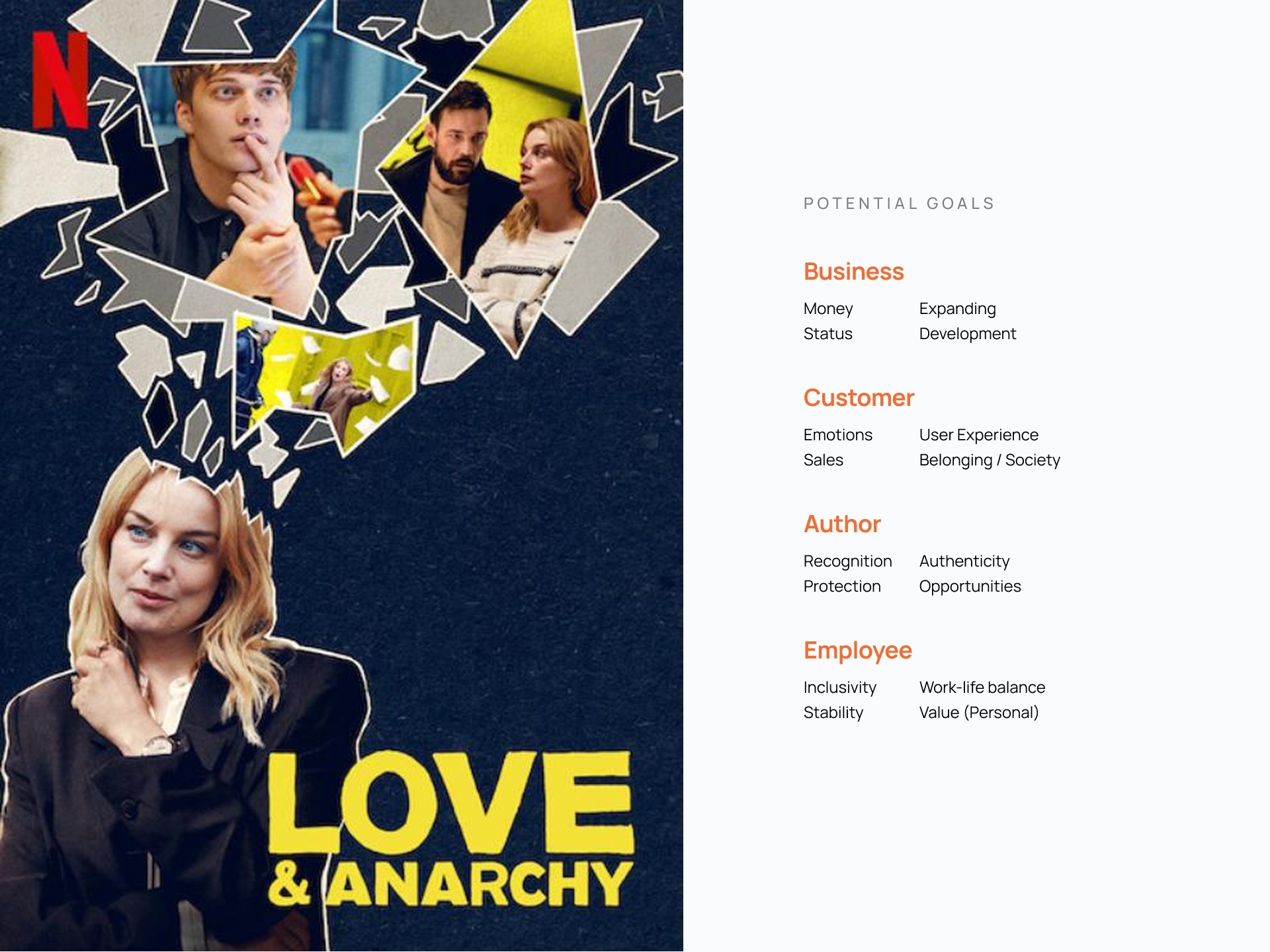
What motivates them (e.g., recognition, stability, sales)
What they resist
What power they hold
Where their values align or clash
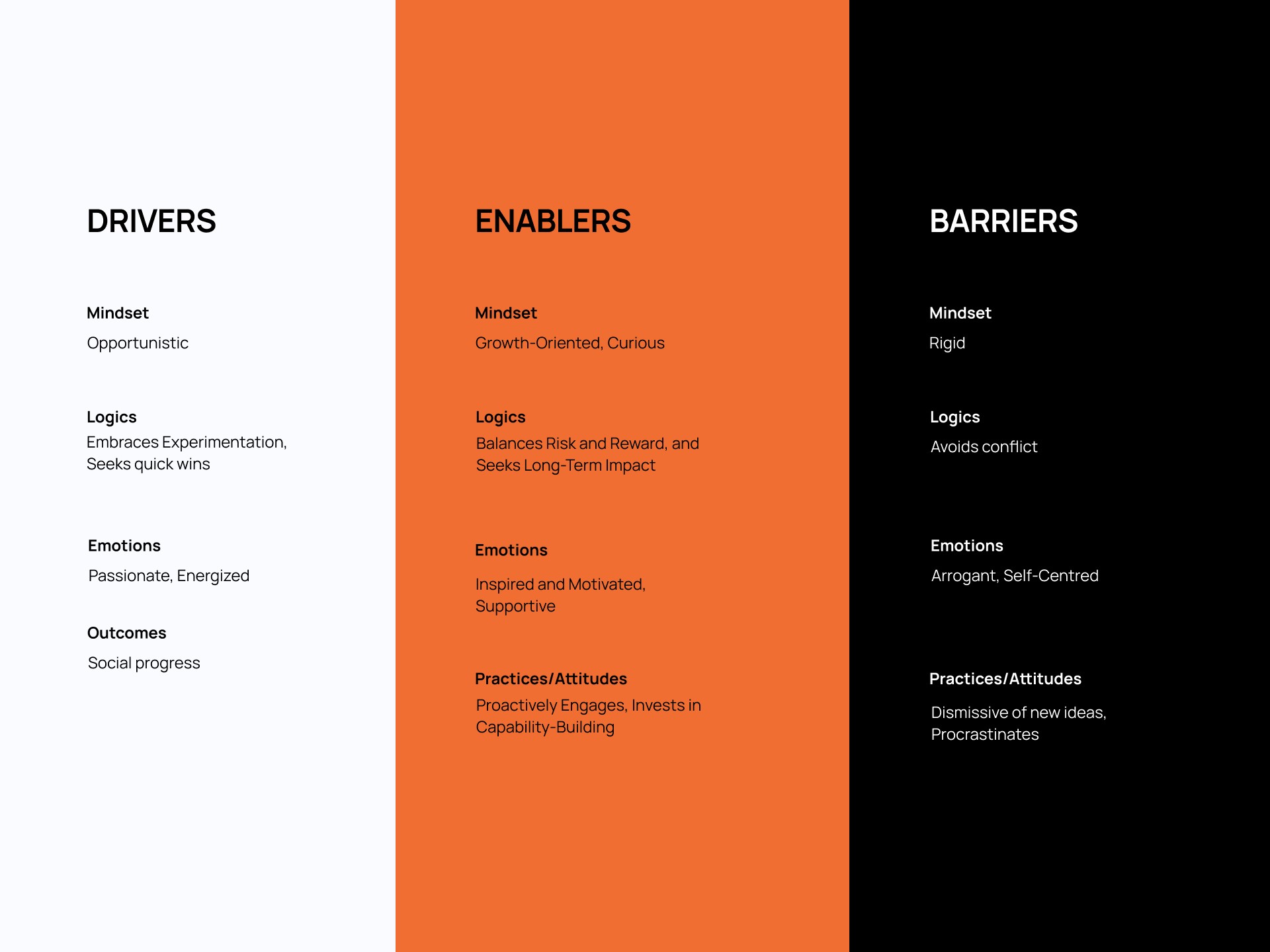
This consistent of Behaviors vs. Formal Processes, Internal Enablers vs. Blockers, and Unspoken Norms vs. Written Rules. Using this emotional-political landscape, we explored several potential interventions and ranked them by feasibility and stakeholder support. Podcasting emerged as a low-friction, high-potential format for cultural and brand renewal.
Process
We conducted a stakeholder mapping exercise rooted in narrative archetypes from the show, mapping each character’s goals, emotional drives, and resistance points. We then introduced a podcast concept inspired by modern cultural practices—particularly the rise of literary podcasts and book clubs backed by media personalities.
This led us to explore the playbook of figures like Reese Witherspoon and Dakota Johnson, who’ve built ecosystems around storytelling: curating books, adapting them into shows, and cultivating loyal fan bases. In the Lund & Lagersted context, we imagined a version of this ecosystem where employee-led storytelling and community publishing could evolve into podcast series—with strategic partnerships for media adaptation.
Implementation
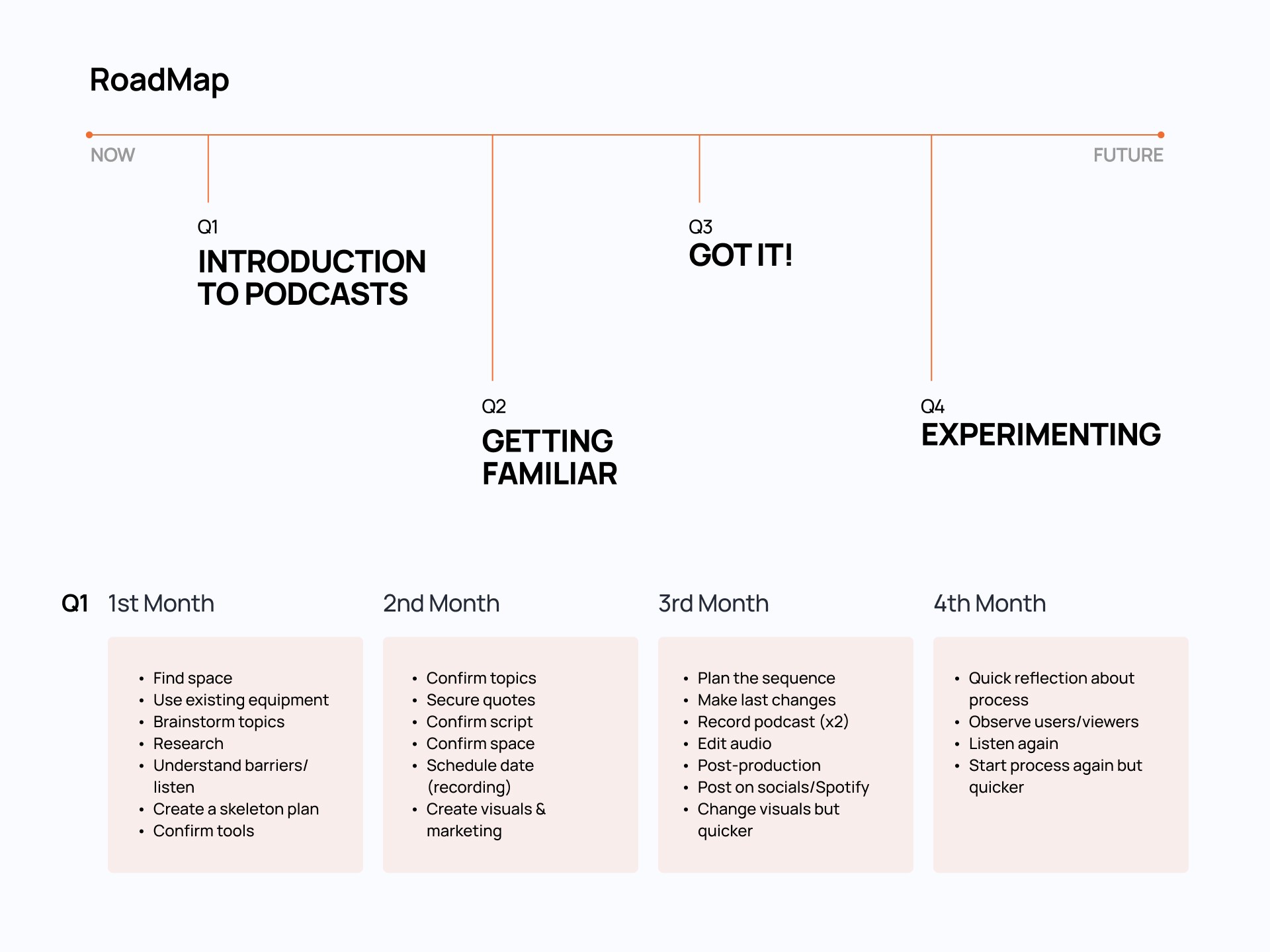
We mapped the podcast rollout across three concentric layers:
Internal Buy-in — Workshops with editors, marketers, and authors to define themes, select stories, and test tone.
Production Sprints — Pilot season with 3–5 episodes, designed to reflect diverse author voices while testing narrative formats (monologue, dialogue, dramatized readings).
Ecosystem Integration — Embedding podcast promotion across existing book launches, newsletter formats, and bookstore events. We also proposed using listener data to inform future publishing bets, creating a feedback loop from content consumption to commissioning decisions.
Outcome
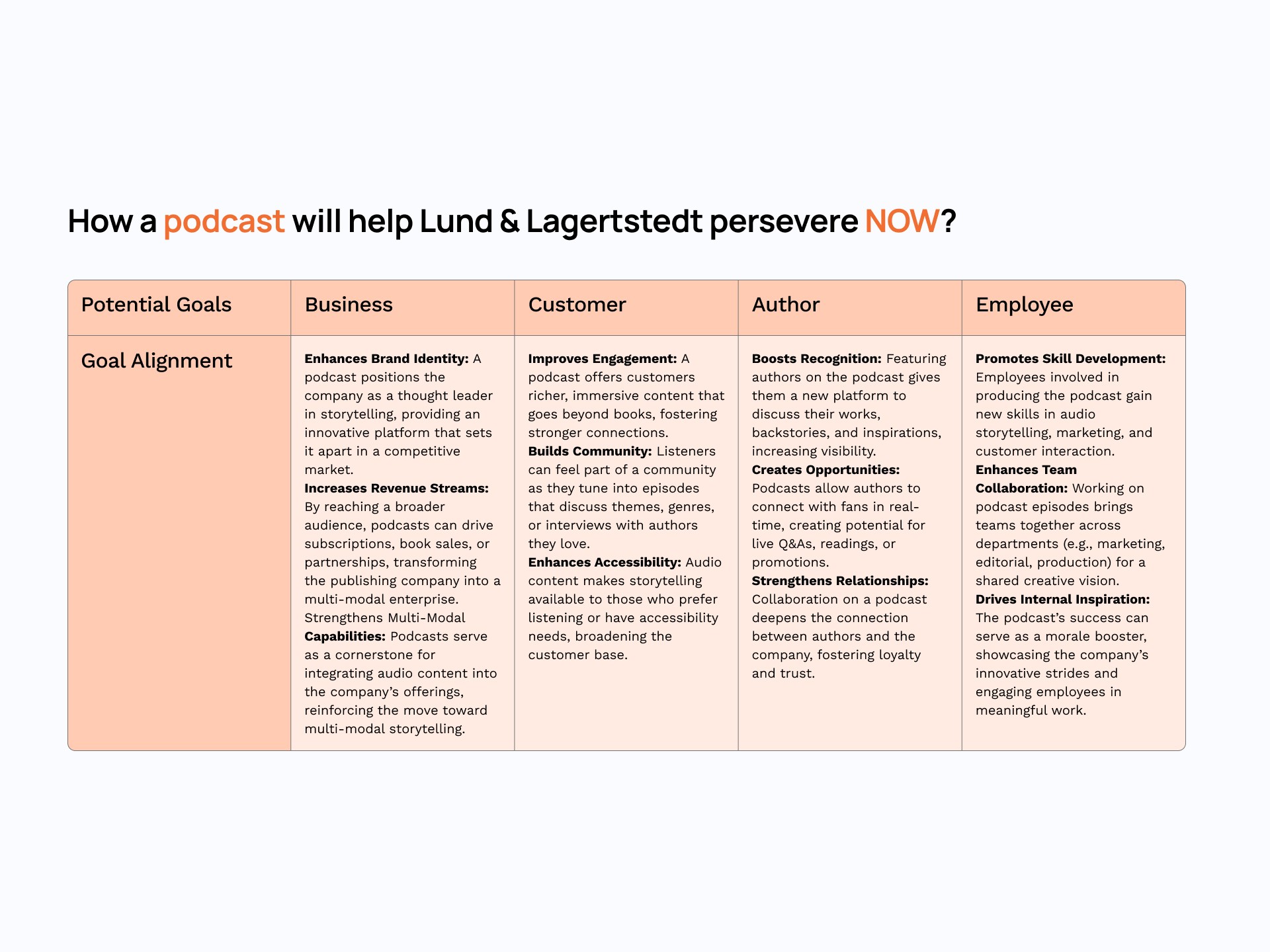
The podcast wasn’t positioned as a marketing ploy but a cultural Trojan horse — gently introducing change through storytelling. Basically,
Created space for creative and cross-functional collaboration
Boosted internal morale and author visibility
Made innovation feel personal, not imposed
It became a sustainable format that reflected the publishing house’s ethos while nudging it toward relevance.
Takeaways
This was a crash course in working with invisible systems — egos, habits, fears, identities. I learned how to create alignment not by force, but by narrative design. The best transformations don’t feel radical—they feel obvious in hindsight.
Future Scope
Looking ahead, the podcast could evolve into a cross-platform storytelling format—featuring video snippets, behind-the-scenes author Q&As, and interactive content. There’s also potential to open up submissions to emerging voices in Sweden, positioning Lund & Lagerstedt as a nurturer of new talent. Over time, insights from podcast engagement and listener analytics could inform editorial direction and help the publishing house scout for fresh, relevant and impactful voices.