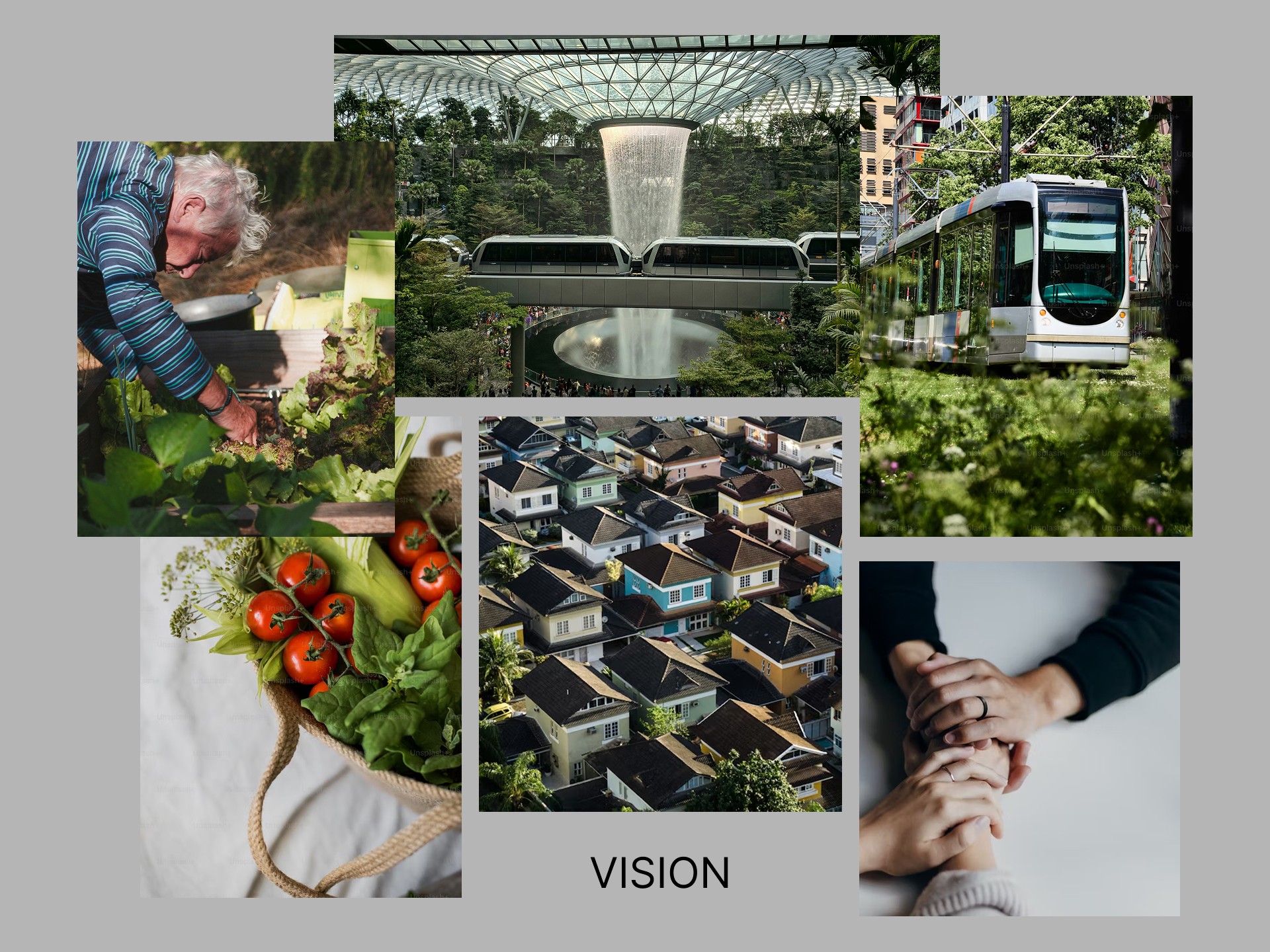
In an increasingly connected yet emotionally isolated world, our team was challenged to imagine a future where designers play an active role in shaping systems of care and civic engagement. Born from a speculative futures design lab, Unplug is a government-backed program that rewards real-world good deeds with “Life Battery” points—credits citizens can redeem for essential services like healthcare, housing, and security.
Role
Designer & Strategist — Co-created Unplug as part of a futures design workshop exploring hype, digital dependency, and public service redesign.
For
Masters Project - Futures Design
Year
2025
Challenge
How might we design a service that restores real-world engagement and shared accountability in an era ruled by algorithmic reward systems?
Approach
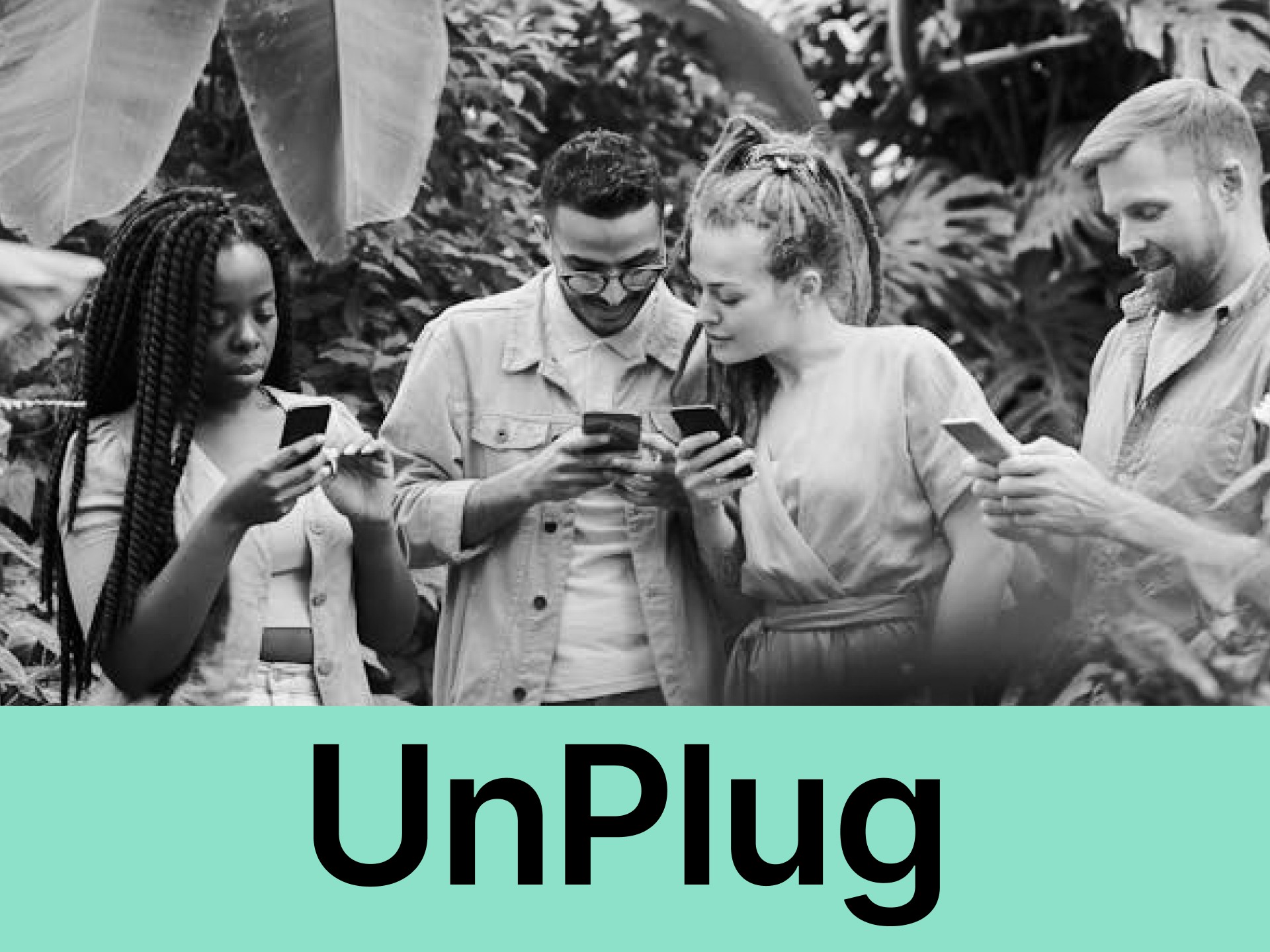
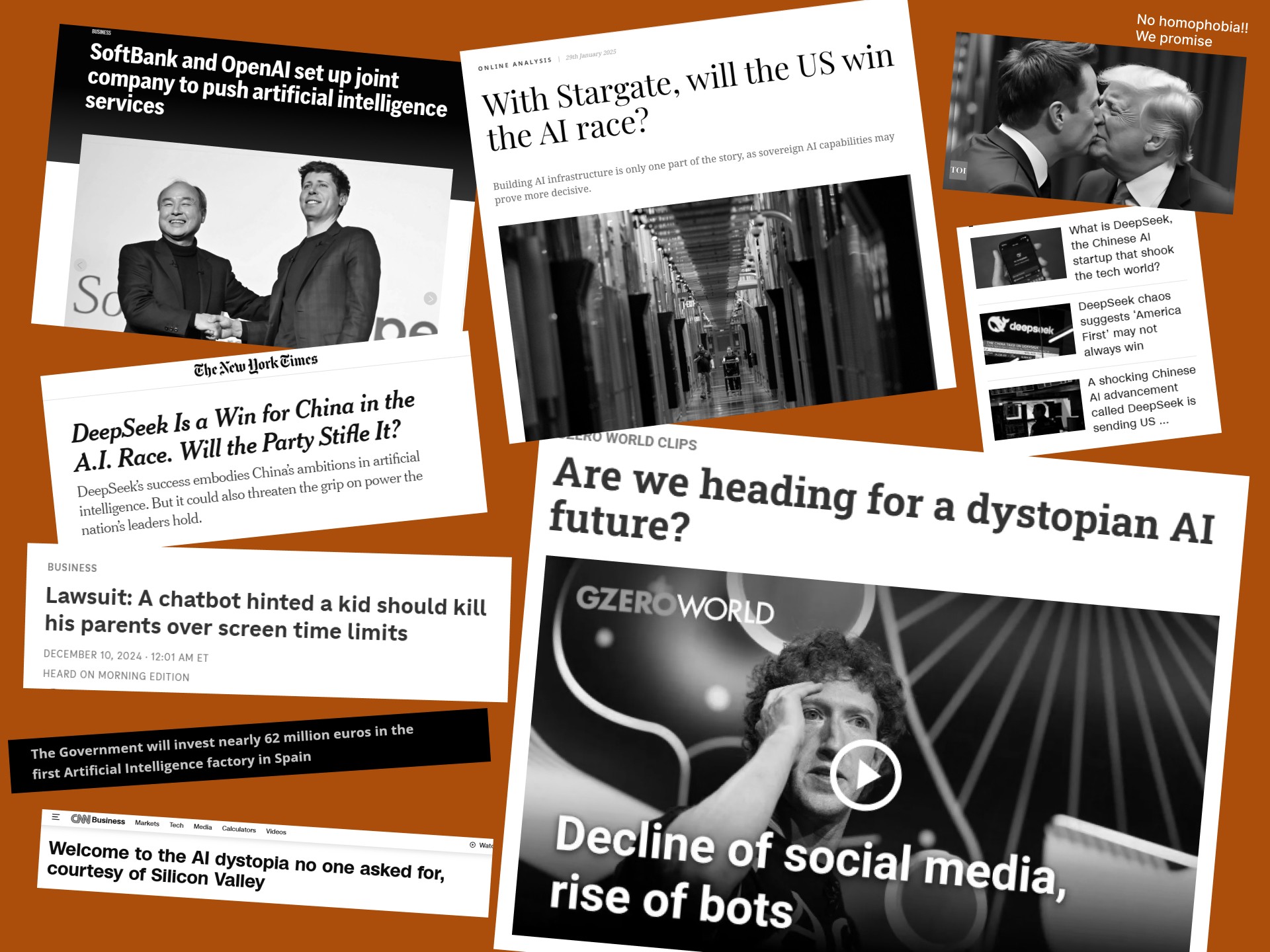
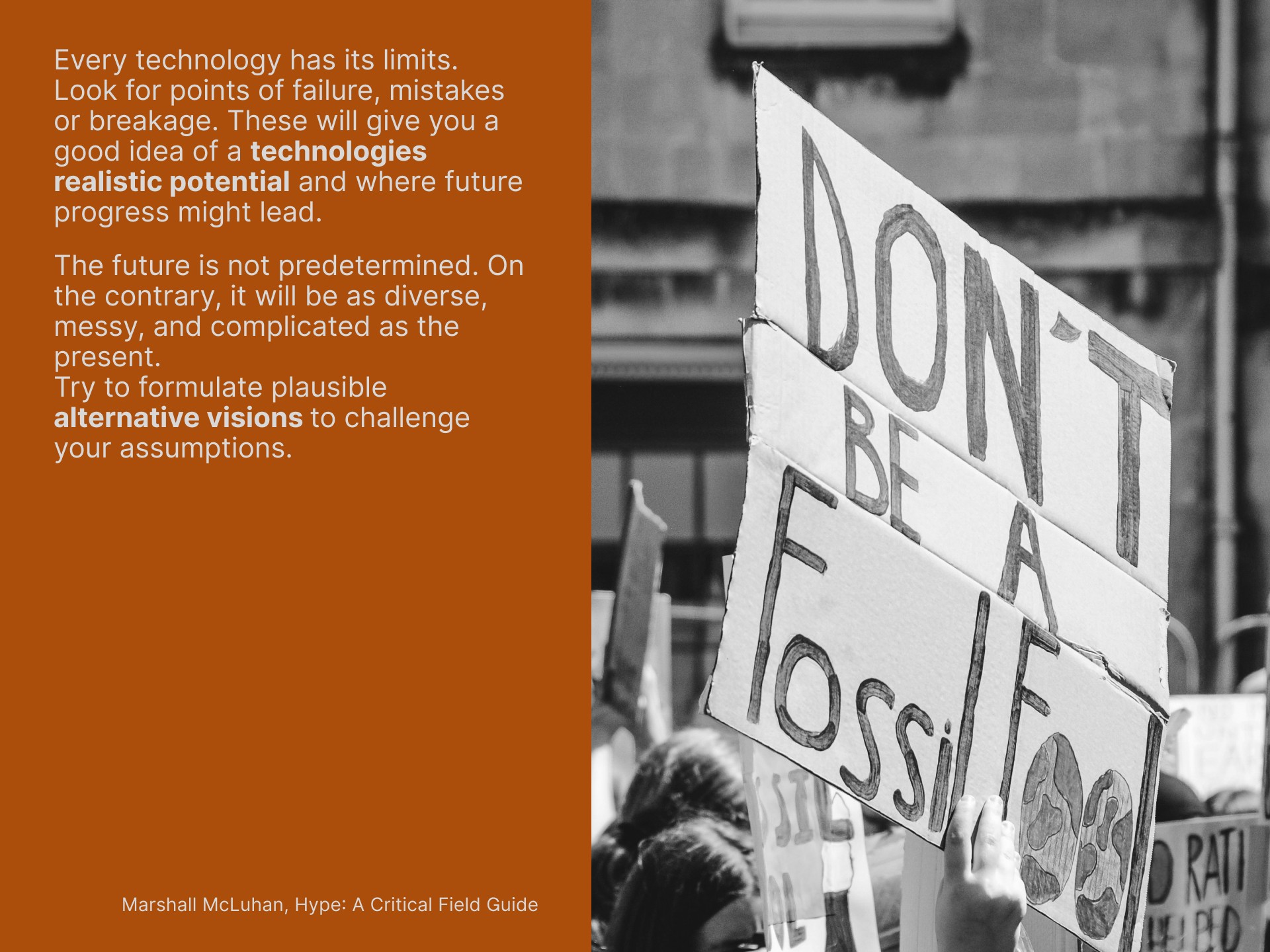
We began by acknowledging a painful truth: convenience is costing us connection. People's lives are dictated by dopamine-driven apps, AI companions, and monetized attention spans—yet basic civic rights remain out of reach for many. To address this, we leaned into the very thing that drives digital addiction: hype.
We asked: what if public service adopted the same viral mechanics as a TikTok trend or a brand campaign? Could we make civic good aspirational, even addictive?
Our inspiration drew from:
Viral challenges like the #icebucketchallenge
Book club-to-screen production pipelines by Reese Witherspoon and Dakota Johnson
Social reward mechanics from credit card loyalty programs and national ID integrations
Process
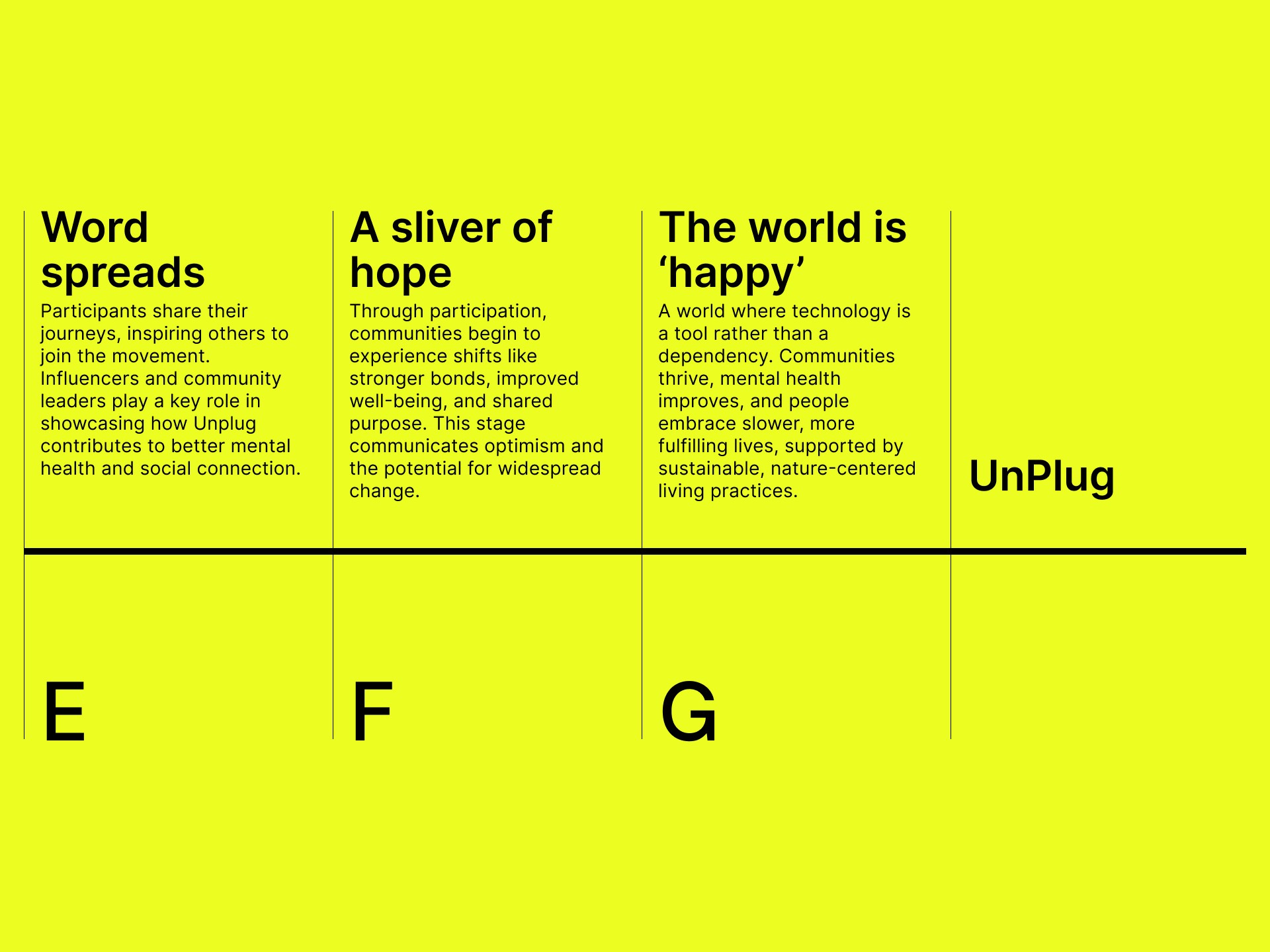
We reverse-engineered the hype cycle and built a multi-channel system:
#UnplugAndRecharge Challenge — A viral trend encouraging offline good deeds, captured and shared to earn credibility and Life Battery points.
Integrated National ID — Points tied to digital passports or Aadhaar-like IDs to ensure traceability and fairness.
Reward Ecosystem — Partnerships with banks, local stores, and public services that accept points in exchange for essentials—discounts on transport, medical aid, even housing access.
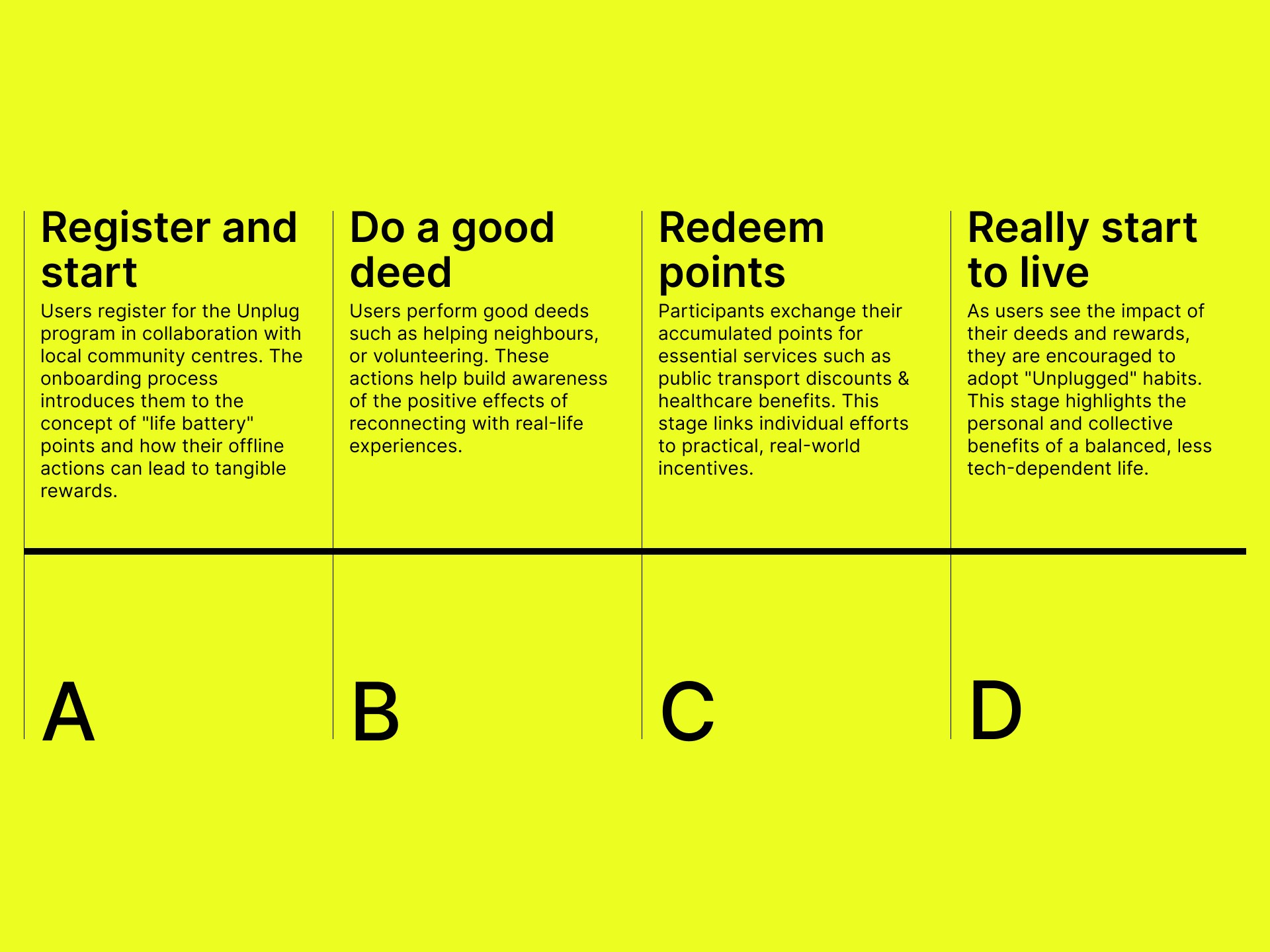
We storyboarded each user interaction—from registration and validation to redemption and emotional feedback. Futurecasting methods helped us explore long-term cultural impact and ethical implications.
Outcome
Designed as a speculative prototype for public engagement in a tech-dominated world
Received recognition during final critiques for blending systems thinking, critical futures, and UX strategy
Incorporated reading materials on cyberlibertarianism, socio-technical fictions, and control politics as grounding theory
“Before you fade away… Unplug.” became our rallying cry—echoed in the final class showcase
Takeaways
This project made me deeply reflect on the politics of participation and the current addictive mechanics of tech. Designing Unplug taught me that UX doesn’t stop at screens—it can (and should) extend to social incentives, public systems, and alternative economies. We weren’t just building a product—we were scripting a future.
Future Scope
Unplug could evolve as a government-funded pilot in urban areas where digital dependency is highest. There’s potential to A/B test impact in youth engagement programs or school curriculums. In time, this could even pair with behavioral science platforms to encourage empathetic citizenship.